Destinations to Visit;
Tour Overview;
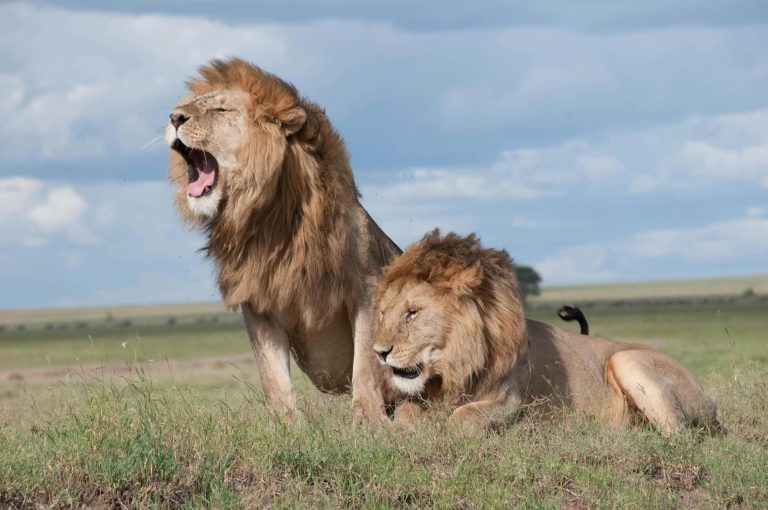
According to UNESCO estimates, the Ngorongoro Conservation Area is home to approximately 25,000 large mammals. Here, you can see the Big Five: elephants, rhinos, lions, leopards, and buffalo, along with other famous African animals such as hippos, zebras, antelopes, servals, and warthogs.
Most of these animals live in a compact area of 260 km² (100 mi²). On a safari drive, you will encounter new wildlife every 10-15 minutes of travel. This is one of the reasons why Ngorongoro is listed as a UNESCO World Heritage Site.
Itinerary Summary
1 Day Ngorongoro conversation area
Consider below notes while in the National Parks;
- Do not take water from any natural sources in the park/conservation.
- Please put your trash in authorized sites only in order not to litter the parks/conservation.
- Put burning cigarettes and butts in your vehicle’s ashtrays.
- Do not remove any animate or inanimate object from the park/conservation.
- Do not bring any animals or any plants to the parks/conservation.
- Do not bring any poison, weapons, explosives, or any object of that kind into the Parks.
- Do not get out of your vehicle, or hang out of the windows near any animal.
- Do not kill, harass, disturb, feed, or interfere with wildlife or vegetation.
- Do not take photographs of Maasai or any local people. Please ask your Driver/Guide for assistance if you wish to do so; a small fee may be applicable.